

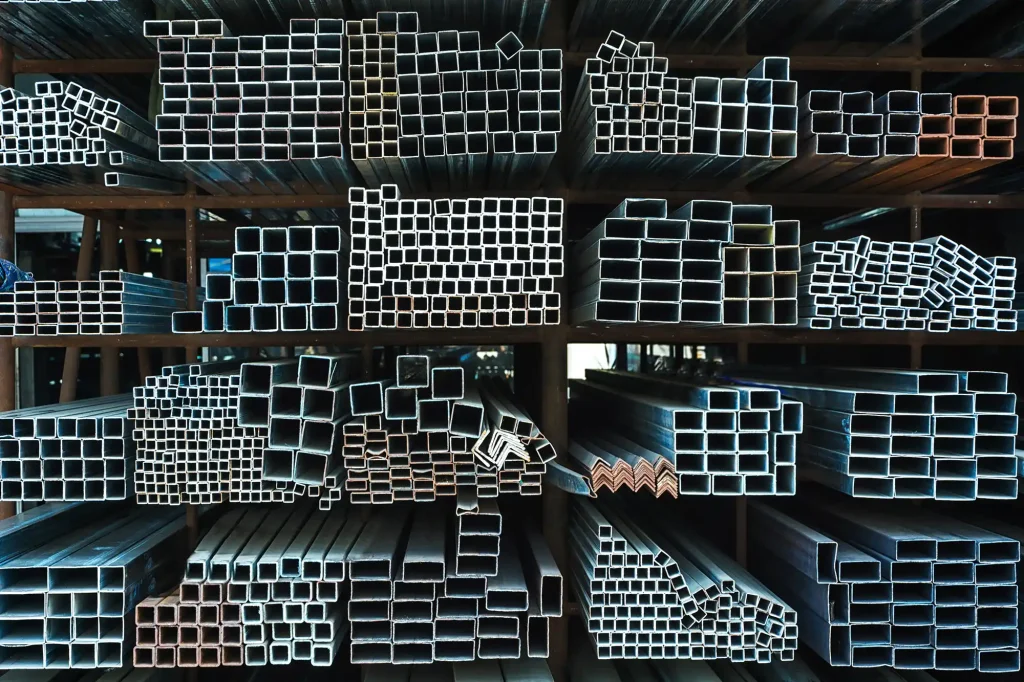
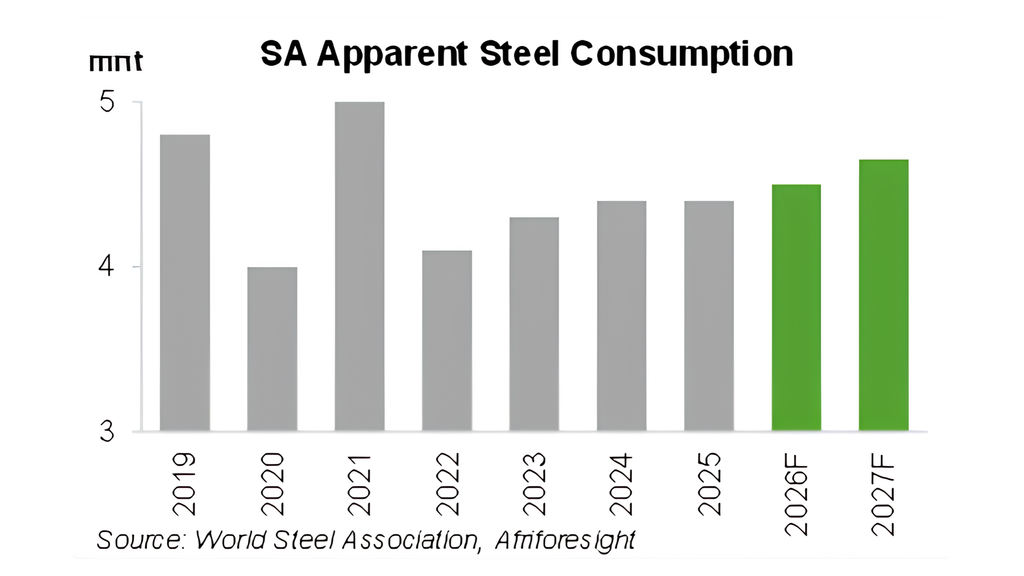
Domestic steel consumption has struggled to regain momentum in recent years, weighed down by weak investment, high operating costs and import competition (see graph). Rising public infrastructure investment raises hopes for a recovery in South Africa’s steel demand through 2027, but weak private-sector construction, steel shortages and delays in major projects present major headwinds.
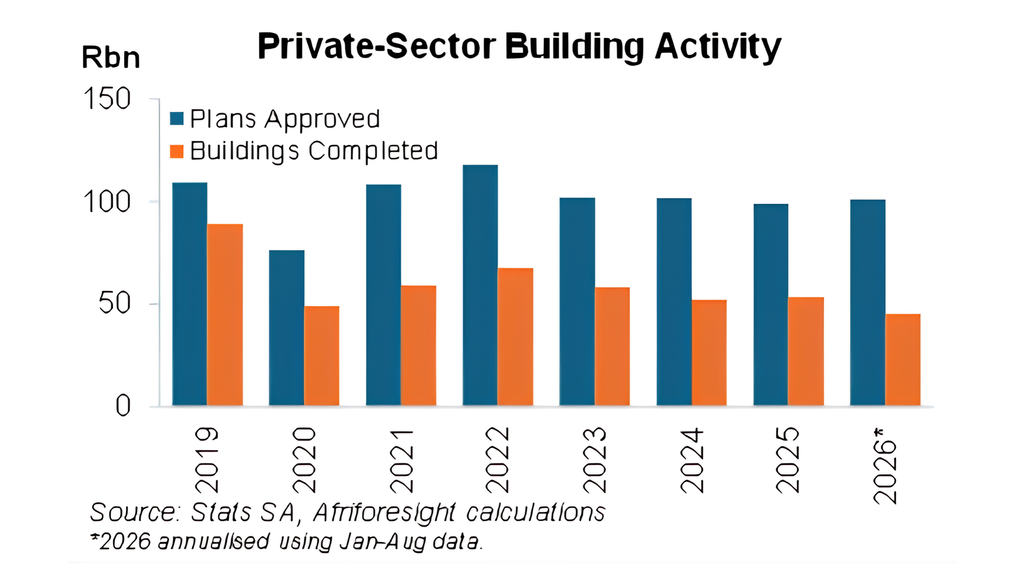
Private-sector construction remains under pressure, with building plans approved holding up, but not necessarily translating into completed buildings (see graph). Even the modest increase in approvals during 2026 disappears when adjusted for inflation. High construction costs, financing difficulties and weak demand continue to weigh on new developments, limiting opportunities for local steel producers.
Public-sector infrastructure spending, however, offers a more encouraging outlook. Investment in transport, logistics, energy and other infrastructure has been rising, with further growth planned over the medium term. Upgrades to railways, ports and electricity networks could boost domestic steel demand while improving conditions for other industries. However, the benefits will depend on how quickly planned projects get underway and whether the spending translates into actual construction activity and orders for locally produced steel.
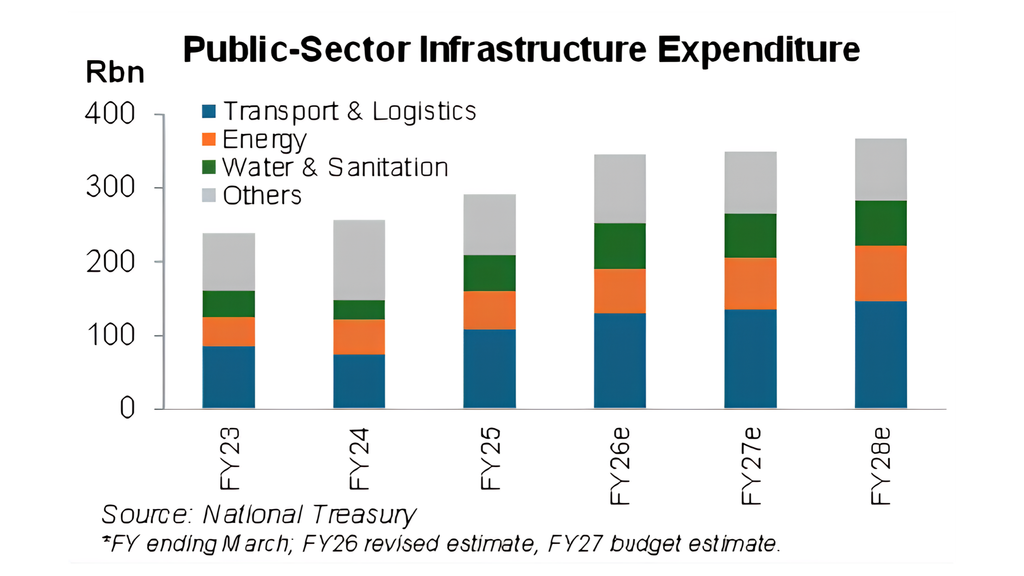
Stronger infrastructure investment could therefore support South Africa’s steel industry even as private investment remains weak. The challenge now is turning spending plans into completed projects that deliver lasting benefits. Until then, the recovery in domestic steel demand is likely to remain modest.
For more on the outlook for Steel; see our Steel forecasts.
Compiler: Devon Allers (devon@afriforesight.com)