

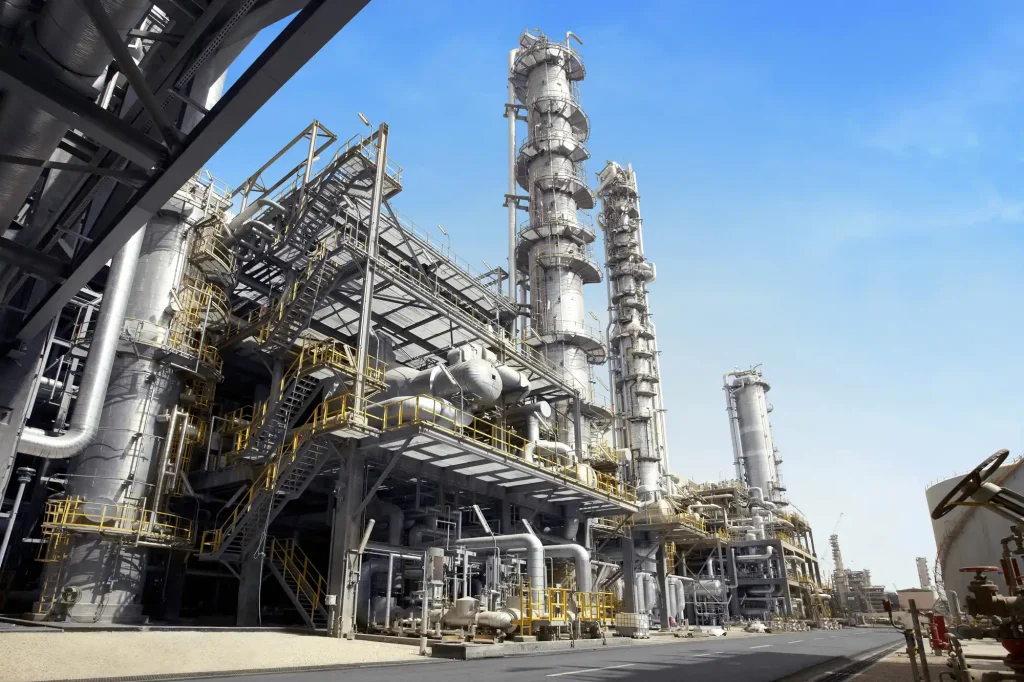
Shell is considering bids for its US chemicals assets, potentially valued at up to $8bn, with interest reportedly coming from ExxonMobil, LyondellBasell, Apollo and Kuwait Petroleum. The portfolio spans facilities in Louisiana, Texas and Pennsylvania, producing chemicals used in plastics, detergents and pharmaceuticals. The potential sale is notable because it comes despite Shell reporting that its chemicals business produced higher output, higher sales and positive cash flow in the 2nd quarter of 2026, with margins improving compared to the 1st quarter.
The issue is therefore less about whether chemicals remain profitable and more about where capital can earn competitive returns. Petrochemical markets continue to face structural overcapacity, particularly in basic chemicals, where new capacity, most significantly in Asia, has outpaced demand growth, keeping utilisation rates and margins under pressure.
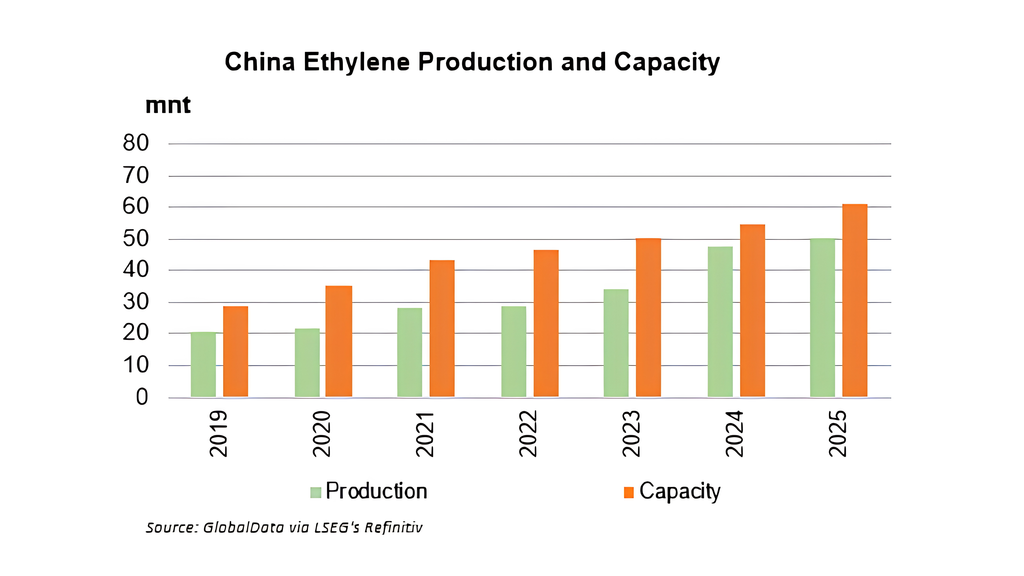
Increasing competition from Asia is also coming at a time of weak domestic demand in the US and EU, placing persistent constraints on chemical earnings margins. US chemical producers do have the advantage of domestically produced natural-gas-based feedstocks which provide a cost advantage over higher-cost regions, but this does not eliminate exposure to global polyethylene, olefins and intermediate chemical pricing.
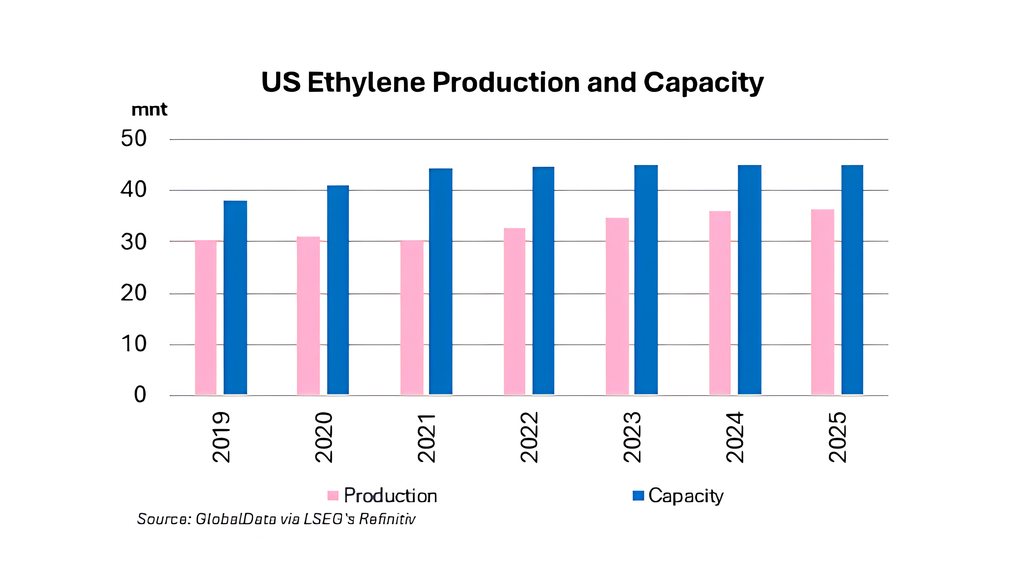
Shell’s potential exit therefore signals a more selective approach to petrochemical capital rather than an outright rejection of the sector. If the assets attract strategic buyers, the transaction could indicate that scale, feedstock advantage and integration remain valuable to some producers; however, standalone petrochemical assets without sufficient cost or market advantages may struggle to justify capital allocation in an oversupplied market.
For more on the outlook for Chemicals; see our Chemicals forecasts.
Compiler: Kirthi Ramdhanee (kirthi@afriforesight.com)