

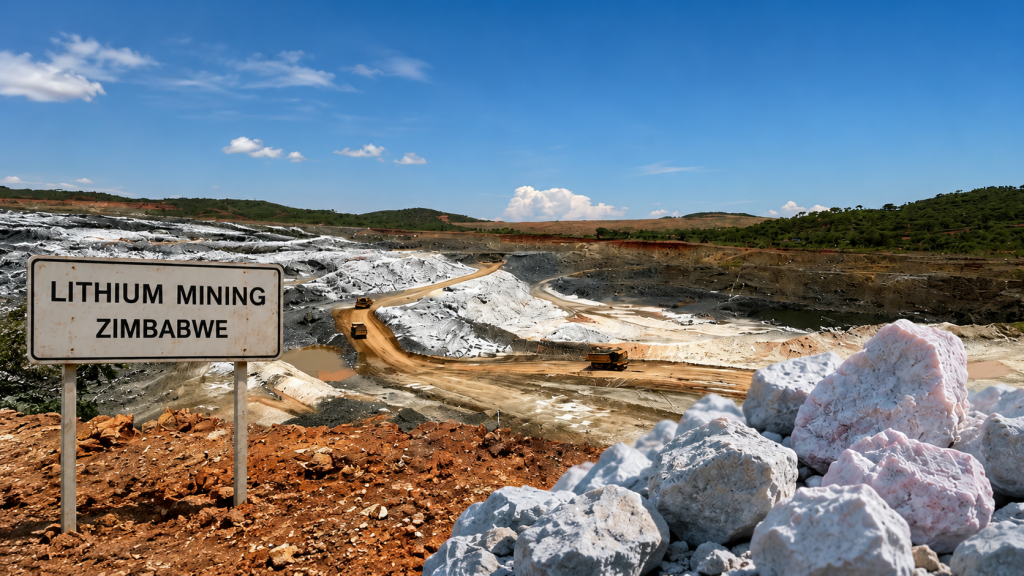
Zimbabwe is embarking on an ambitious plan to transform its lithium industry from a raw material exporter into an integrated battery chemicals producer, positioning itself as Africa’s lithium beneficiation hub. But implementing this strategy may be easier said than done.
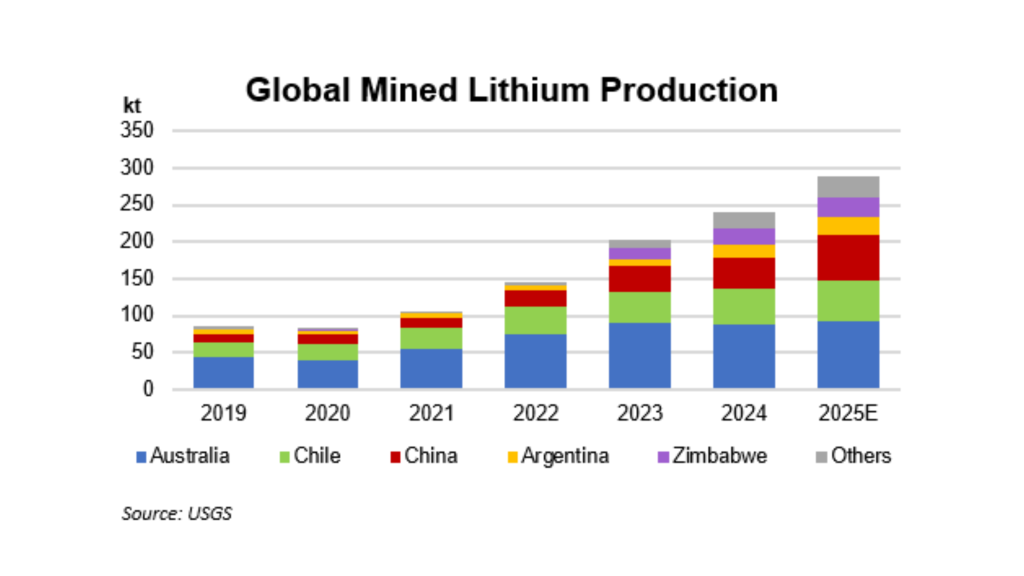
Zimbabwe’s lithium industry has grown significantly since 2021 (see graph), mostly on the back of Chinese investment, with companies including Zhejiang Huayou Cobalt, Sinomine, Sichuan Yahua, Chengxin Lithium and Tsingshan investing more than $2bn in new mines, concentrators and chemical processing facilities. Most of Zimbabwe’s mined lithium is also exported to China, with 1.1mnt lithium-bearing spodumene concentrate shipped to China in 2025, representing 15% of China’s total lithium concentrate imports.
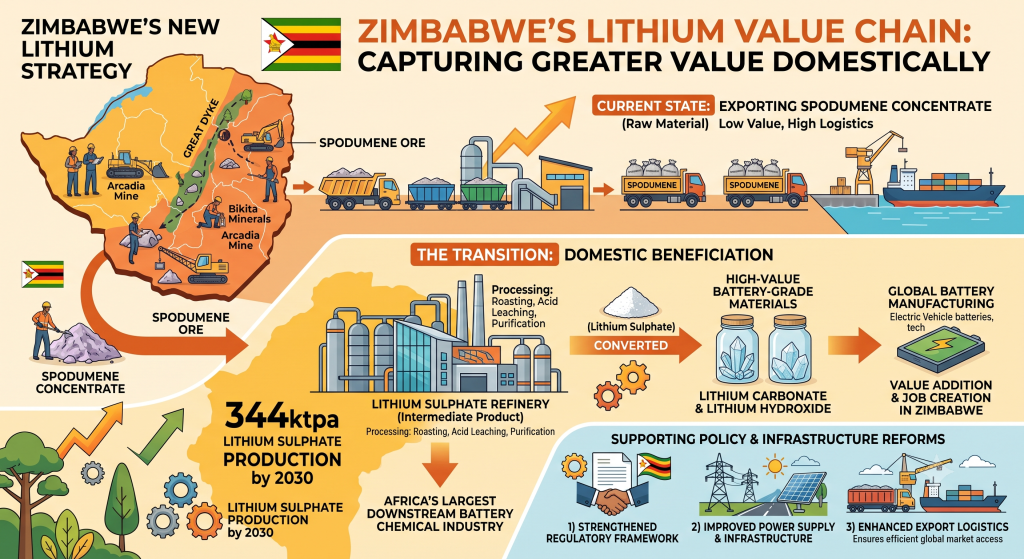
Zimbabwe’s new strategy, however, centres on capturing greater value domestically by converting spodumene concentrate into lithium sulphate, an intermediate product that can subsequently be refined into battery-grade lithium carbonate or lithium hydroxide.
Zimbabwe is targeting 344ktpa of lithium sulphate production by 2030, creating one of Africa’s largest downstream battery chemical industries. To support this transition, Zimbabwe is introducing significant policy and infrastructure reforms designed to encourage domestic beneficiation while improving export logistics.
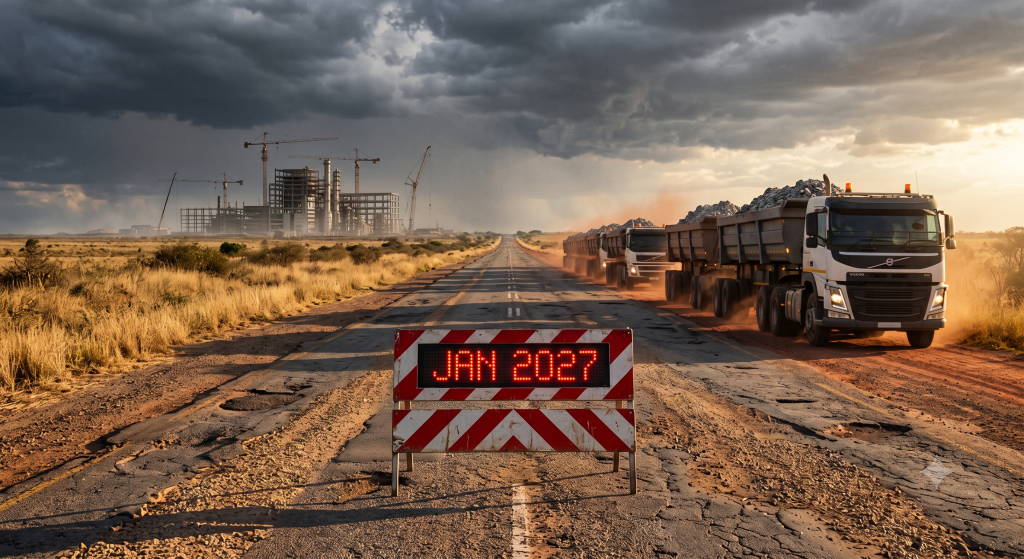
First up, Zimbabwe has confirmed that following the introduction of export quotas, concentrate export taxes and mandatory commitments from producers to construct lithium sulphate plants, a ban on lithium concentrate exports will take effect in January 2027. This is where the transition plan starts running into constraints.
Zimbabwe’s has only one operational lithium sulphate refinery, owned by Prospect Lithium Zimbabwe, a subsidiary of Zhejiang Huayou Cobalt, which currently lacks sufficient capacity to process third-party concentrates; additional sulphate plants being developed by Sinomine and Kamativi Mining Company are still under construction. If construction remains on schedule, this additional refining capacity is expected to come online over the next few years.
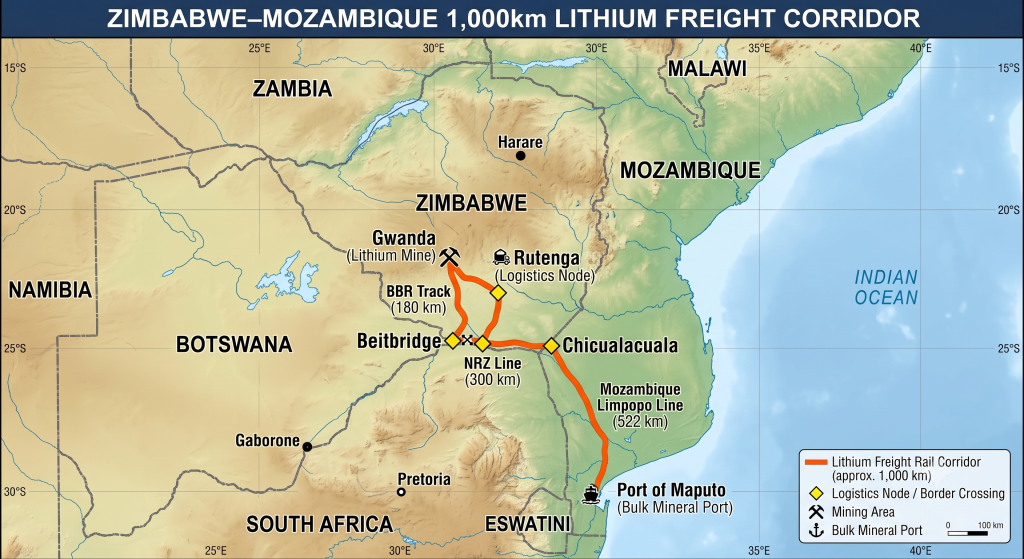
Insufficient logistics capacity is also a constraint. To improve export efficiency during this transition, Zimbabwe has also commissioned a new 1000km rail freight corridor in May 2026 linking the Gwanda Lithium Mine to the Port of Maputo in Mozambique, reducing dependence on road transport, lowering logistics costs and improving the competitiveness of future exports
In conclusion, Zimbabwe’s strategy to develop a fully integrated lithium value chain represents one of Africa’s most ambitious critical minerals industrialisation programmes, with the potential to shift the country from a supplier of raw ore to a producer of higher-value battery chemicals.
While Zimbabwe’s target of producing lithium sulphate by 2030 is achievable in principle, given the scale of recent investment, meeting this objective will require timely commissioning of new processing plants, continued infrastructure development and sustained investor confidence.
For now, Zimbabwe is in a race against time to expand refining capacity, logistics infrastructure and supporting industrial investment sufficiently before the planned January 2027 concentrate export ban takes effect.
For more on the outlook for Lithium; see our Lithium forecasts.
Compiler: Kirthi Ramdhanee (kirthi@afriforesight.com)